Shaping That Maintains Plant Structure
Hedge and Shrub Pruning in Virginia Beach for properties with overgrown or poorly shaped landscape plantings
Pruning removes damaged, overgrown, or poorly positioned branches to improve plant appearance, maintain desired shape, and support long-term health. Without regular pruning, shrubs and hedges develop dense interior growth that blocks light and air circulation, branches that grow into walkways or structures, and irregular shapes that detract from landscape appearance. The pruning work addresses these conditions by selectively removing growth based on each plant's specific growth habits and intended role in the landscape. Dan's Landscaping provides pruning services throughout Virginia Beach and surrounding areas, focusing on techniques tailored to individual plant varieties rather than generic shearing that weakens plant structure.
Proper pruning technique varies by plant species because different shrubs produce new growth from different points—some respond well to hard cutbacks while others decline if pruned too aggressively. Timing also matters, as pruning at the wrong point in the growth cycle can remove flower buds or stimulate new growth that won't harden off before winter cold arrives. Services account for these variables rather than applying uniform techniques across all plantings.
Schedule seasonal pruning services to maintain landscape appearance and support healthy growth patterns.
What Changes After Proper Pruning
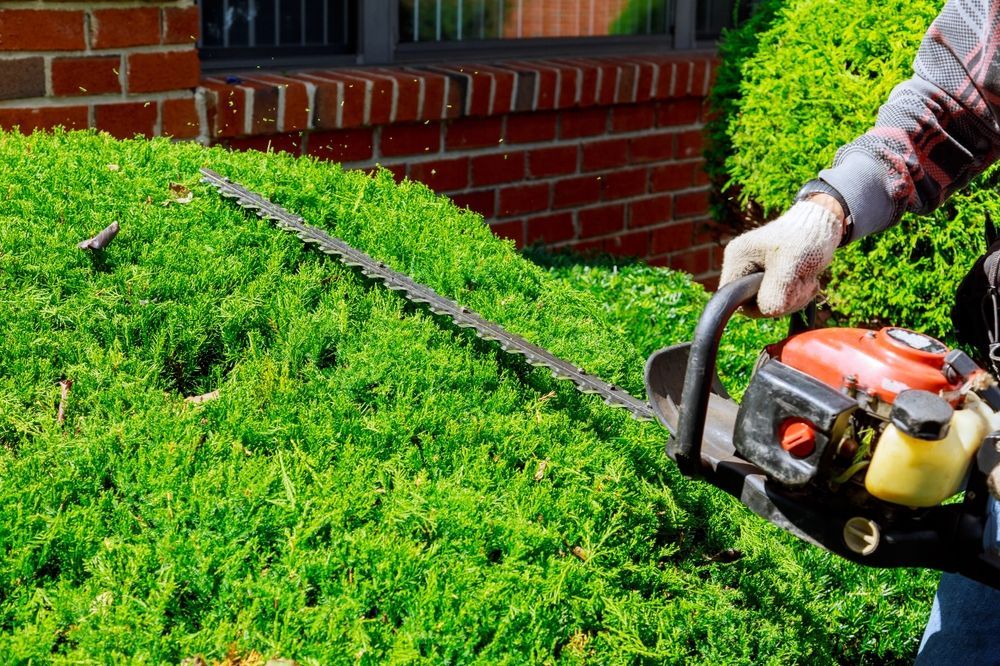
Pruning work removes crossing branches that rub and create wounds, dead wood that harbors disease, and overgrown sections that have exceeded the plant's intended size or shape. The process opens up dense interior growth so light and air reach inner branches, reducing conditions where fungal issues develop. Cuts are made at specific points based on plant structure—just above outward-facing buds for directional growth control, or back to main stems when removing entire sections.
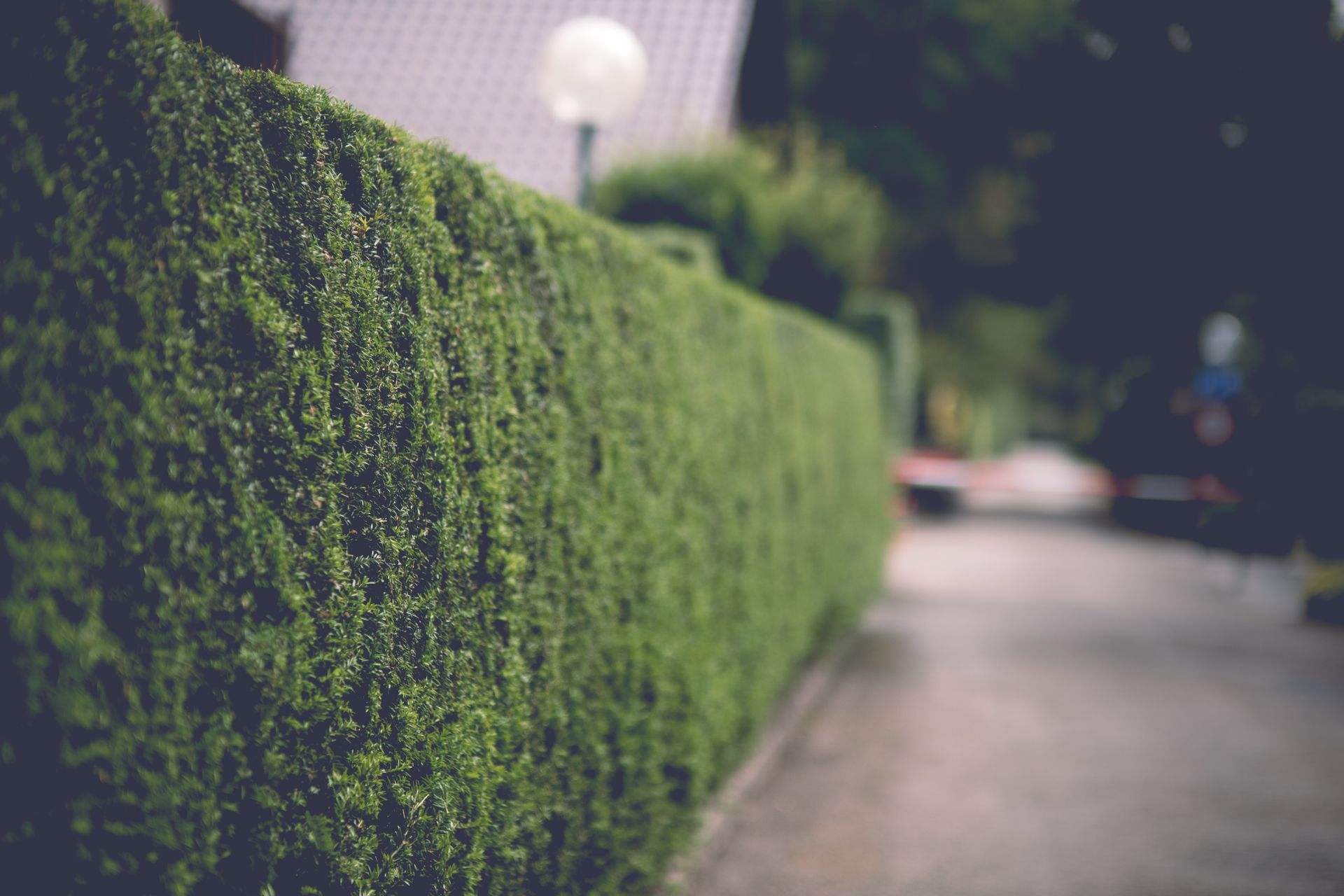
After pruning completes, plants present a neat, intentional shape rather than an overgrown or ragged appearance. Hedges regain uniform height and width where previous growth had become irregular. Shrubs no longer obstruct walkways or press against structures, and their natural form becomes visible again rather than being hidden under excess foliage. Over the following growing season, properly pruned plants produce new growth that's better distributed throughout the canopy rather than concentrated at branch tips, creating denser, healthier structure that requires less corrective work in future years.
Pruning services focus on maintaining or restoring appropriate plant shape and removing problem growth, though they don't address issues requiring plant removal or replacement. Regular pruning reduces future maintenance concerns by preventing the severe overgrowth that eventually requires drastic cutbacks or complete plant removal.
Questions Before Starting Your Project
Pruning timing and techniques vary enough between plant types that understanding the approach helps set appropriate expectations.
How does pruning technique differ between plant varieties?
Spring-blooming shrubs are pruned after flowers fade to avoid removing next year's buds, while summer bloomers get cut back in late winter before new growth starts. Hedges tolerate regular shearing, but specimen shrubs require selective thinning that preserves natural form.
What signs indicate shrubs need pruning?
Branches growing into walkways or against structures, dead wood visible within the canopy, dense interior growth with no foliage, irregular shape where sections have grown faster than others, or overall size that has exceeded the space available all indicate pruning is needed.
Why does overgrown pruning lead to plant decline?
Removing more than one-third of a plant's growth in a single season stresses the root system and stimulates excessive regrowth that weakens branch structure. Proper pruning removes only what's needed to achieve shape and health goals.
When should pruning be scheduled in Virginia Beach's climate?
Timing depends on plant type and pruning goals, but late winter before spring growth begins works for many shrubs, while post-bloom pruning suits spring-flowering varieties. Avoid pruning in fall when new growth won't harden before cold weather.
How does regular pruning reduce long-term maintenance?
Annual or biennial pruning keeps plants within their intended size and shape, preventing the severe overgrowth that eventually requires drastic cutbacks. Plants maintained through regular pruning develop better structure and stay healthier than those left to grow unchecked for years.
Pruning services from Dan's Landscaping address the specific growth habits and maintenance needs of your landscape plantings. Call the office to schedule an evaluation and discuss pruning priorities for your property.