
Routes That Protect Plants and Guide Movement
Garden Bed Pathways in Virginia Beach for landscapes where foot traffic compacts soil and damages plantings
Pathways define how people move through garden areas and prevent soil compaction in planting zones. Without designated routes, repeated foot traffic creates worn strips where grass thins, soil hardens, and roots struggle to access water and nutrients. Dan's Landscaping designs pathways in Virginia Beach that guide movement while complementing surrounding gardens and outdoor features, using materials selected for style, durability, and how they respond to seasonal weather patterns.
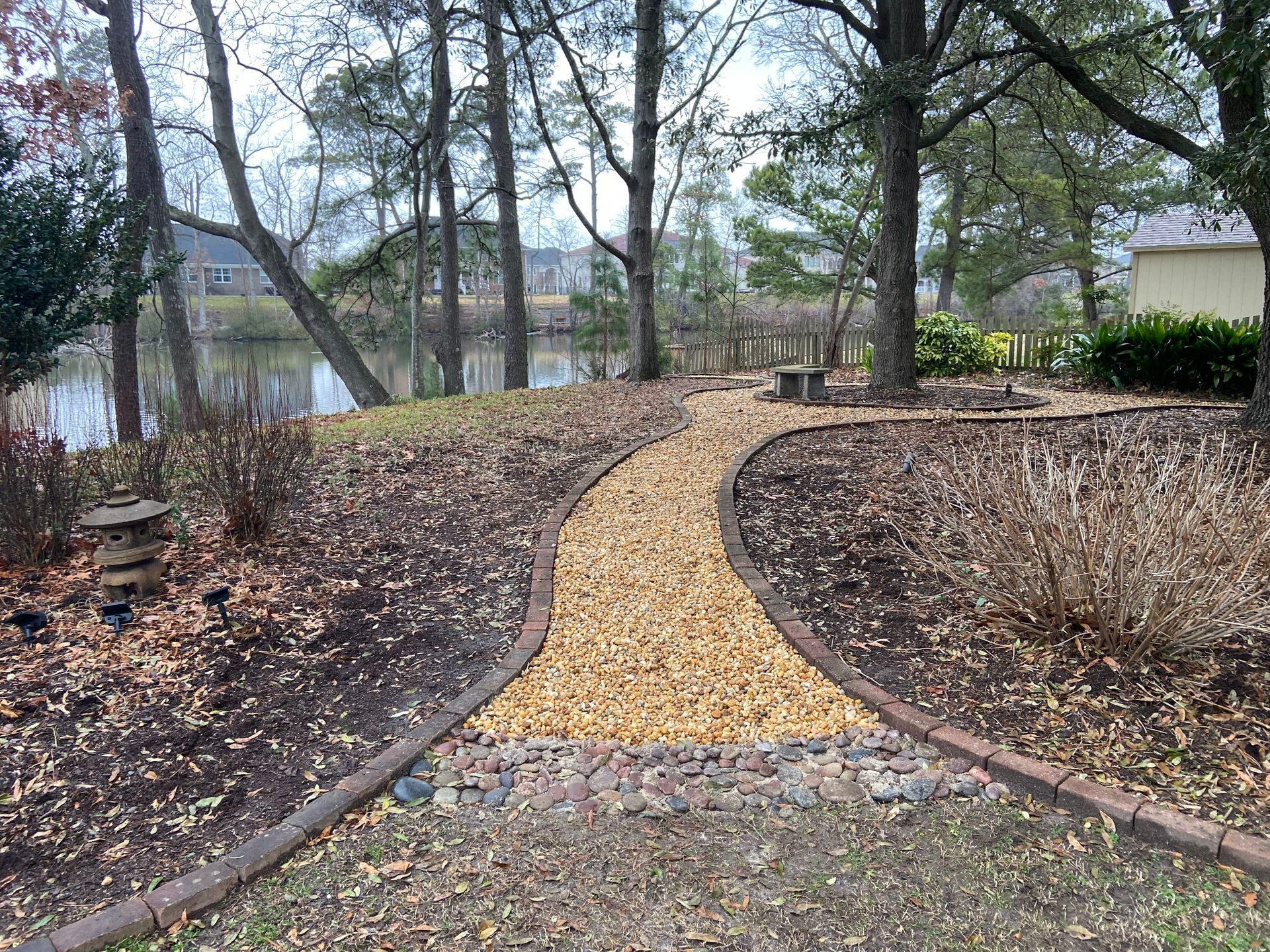
Pathway installation considers where people naturally walk, how the route connects garden sections or outdoor living spaces, and what material suits the property's aesthetic. Gravel, pavers, stepping stones, or mulch-based paths are graded to prevent puddling and edged to maintain separation from planting beds. Width is determined by whether the path serves as a primary route or a secondary access point within garden areas.
Request a design consultation to determine the pathway layout and materials that fit your property's landscape structure.
What Pathways Add to Garden Function
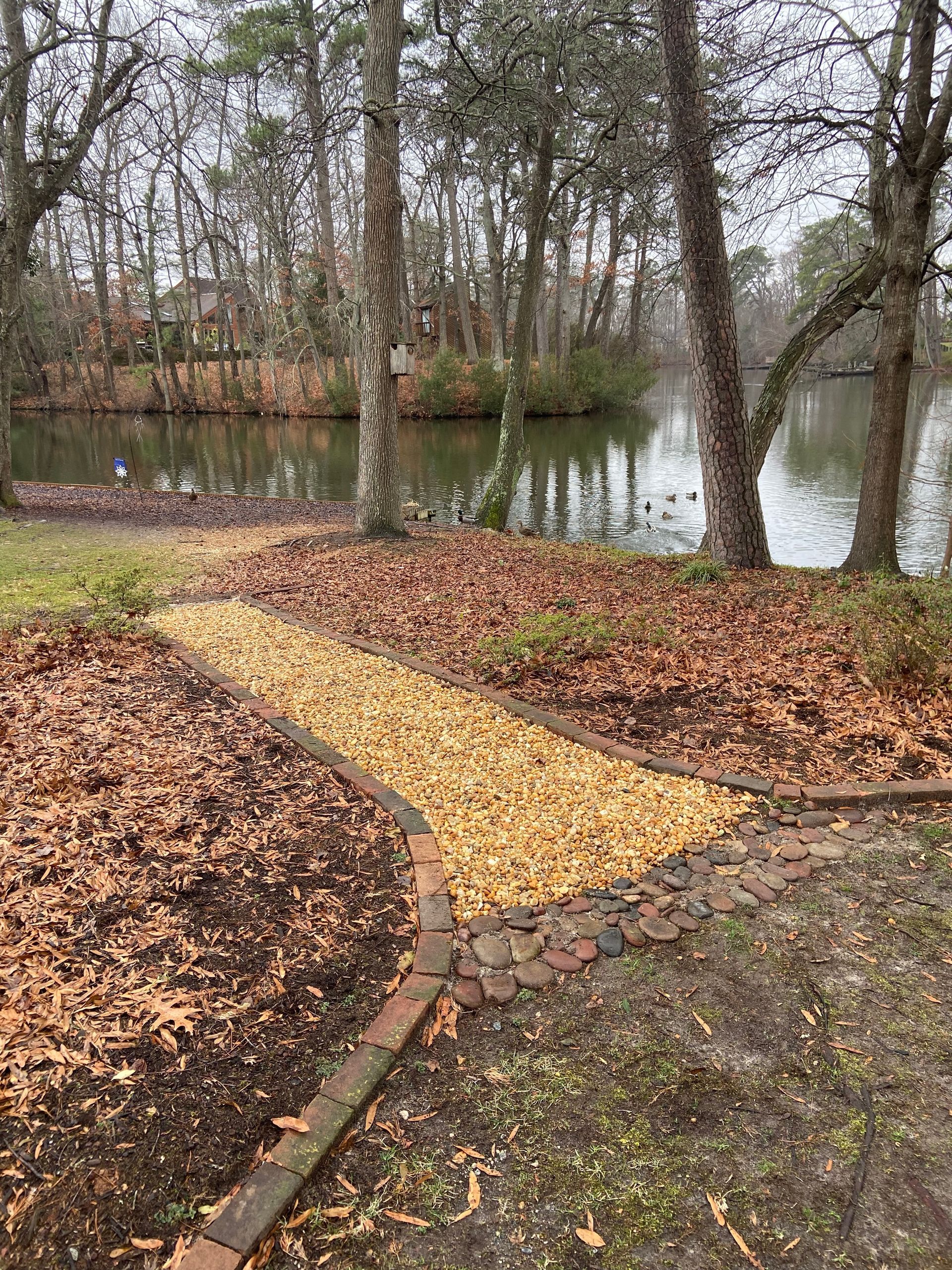
Materials are chosen based on how they drain, how much maintenance they require, and how they age alongside plantings. Gravel paths shed water quickly and can be refreshed with additional stone, while paver installations provide solid footing and resist shifting when installed over compacted base layers. Stepping stone paths reduce material costs and create informal routes through less-trafficked garden sections.
After installation, you notice that movement through the landscape no longer damages plant roots or creates muddy tracks during wet weather. Pathways create visual structure that breaks up large planting areas and highlights focal points like water features or seating zones. Edging keeps materials contained, and the pathway surface remains level without settling into soft soil.
Pathways can incorporate lighting for evening visibility, curve to follow natural garden contours, or connect to patios and driveways for seamless transitions. Material choice affects how the path handles Virginia Beach's humidity and whether it requires periodic releveling or replenishing.
Common Questions About This Service
Property owners ask about material options, installation depth, and how pathways hold up through seasonal changes and regular use.
What materials work best for garden pathways?
Gravel and crushed stone drain well and suit informal garden styles, while pavers and flagstone provide firmer surfaces for high-traffic routes. Mulch-based paths offer a softer appearance but require more frequent replenishment as material decomposes.
How wide should a garden pathway be?
Primary paths typically range from three to four feet wide to allow comfortable walking and occasional wheelbarrow access. Secondary paths through planting beds can be narrower, around two feet, to save space and reduce material costs.
What keeps pathway materials from shifting or spreading?
Edging installed along pathway borders contains gravel or mulch and prevents migration into adjacent planting beds. Paver installations use compacted base layers and sand bedding to lock units in place and resist movement from foot traffic.
How do pathways affect drainage in garden beds?
Pathways are graded to direct water away from planting areas and prevent puddling. Permeable materials like gravel allow water to infiltrate, while solid surfaces like pavers are sloped to shed runoff toward designated drainage zones.
Can pathways be added to existing garden layouts in Virginia Beach?
Yes, Dan's Landscaping evaluates current plantings and determines routes that minimize root disturbance while improving accessibility. Pathways can be phased into renovations or installed as standalone improvements without replanting entire beds.
Dan's Landscaping installs garden pathways that improve accessibility and protect planting areas from compaction across Virginia Beach properties. Contact us to discuss pathway designs that enhance usability and fit within your existing landscape layout.